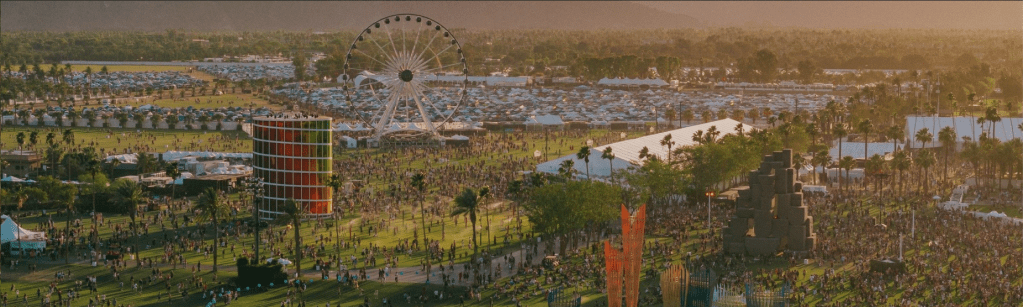
One of the best parts of the advisory work I do is collaborating with rising talent who are reshaping how brands show up in culture. In this piece, I caught up with Kevin McMahon and Rachel Noonan from Forward Studio — the culture agency behind innovative experiential work with Coachella, Nike, Netflix, Universal, and more.
Five years after the pandemic lockdowns, people are still choosing IRL experiences over just about everything else. With global sponsorships topping $100B (and $22B in North America), brands have a huge opportunity to connect—if they avoid acting like billboards and start building cultural playgrounds.
If you’re leading brand activations this summer, here are some insights from the team at Forward Studio: 5 things to get right—and 7 traps to avoid—when showing up at cultural events.
✅ What Works:
#1 – KYC (Know Your Culture)
Make sure your brand belongs at the party and speaks that audience’s language. If you don’t know what that looks like, tap in with people who do. Avoid slogans & jargon, use communication strategies that focus on 1 to 1 and small group language to humanize your brand and stay in the moment. Match the tone, energy, and interests of the crowd.
#2 – Design for utility & magic
For large events, start at the bottom of Maslow’s hierarchy. Ground the experience in what resources your brand is best equipped to provide. Make it useful — Shade. Water. Charging. VIP rest zones.
And then move from utility to delight. Move up the pyramid toward self-actualization – people remember how they feel, not what they see. Brands are often rewarded for pushing the boundaries of experience through technology — but remember the measuring stick: “any sufficiently advanced technology is indistinguishable from magic”.
#3 – Culture comes from co-creation, not ad units
Nailing a media strategy surrounding an activation means building an authentic story people can’t help but mention in the same breath as the event, even if they weren’t there. Create moments worth sharing by partnering with artists who authentically align with your brand, not just influencers who reach your audience. Surprise collabs, secret sets, interactive art — work with talent, and find a way to support the organic narratives that the event produces. This is your north star.
#4 – Think long-term
The best brands don’t treat their culture strategy like a proverbial pop-up activation–all trusses, single-use materials, and built for ease of load-out–here today, gone as soon as the campaign ends. They build programs with solid, long term foundations and build on them year over year. Think long-term partnerships, not just one-off posts. That credibility has compounding interest and makes activating more intuitive, the audience connections richer, and the ROI more measurable.
#5 – Respect scarcity vs abundance
In a world of abundance, value accrues to what is scarce (attention and physical space, in this case). Cultural moments are as subject to the power law as anything else and therefore not all events are created equal. The #1 or #2 events in a category may command a premium that makes your CFO sweat, but the drop off in engagement as you move further out of the quality spectrum is often enormous.
❌ What to Avoid:
- Corporate vibes at a dance party – Don’t show up with corporate energy or tone-deaf messaging. Festival-goers can sniff inauthenticity a mile away.
- Passive branding with no value – Don’t just slap your logo on signage and call it a day. A big LED wall showing your logo and nothing else? Waste of budget. If you’re not enriching the experience, you’re part of the noise. Don’t sponsor an event if you’re not going to do something with it.
- Making it all about you. IRL experiences are about the crowd and the culture. Don’t center the brand in a way that hijacks the vibe. Instead, invite people into a shared moment. Avoid pushing your name everywhere without purpose. It can feel tone-deaf or intrusive. Also, mismatching your brand voice with the vibe of the event can backfire.
- Neglecting Accessibility or Inclusivity – Make sure your activation is welcoming and accessible for all guests—physically and culturally. Avoid homogeneous teams or lack of representation.
- No post-event follow-up strategy. Don’t collect leads and let them die. Have a follow-up flow (email, SMS, retargeting) ready to go post-event, e.g. personalized selfies, content recaps, behind-the-scenes footage, or follow-up experiences.
- Overcomplicated tech with friction – If your activation requires a 3-step app download just to enter, you’ve already lost the crowd. Keep it frictionless and intuitive.
- Generic presence that misses the cultural moment – If your presence feels generic, you’ve missed the mark. Tie into the event’s specific scene, location, and subculture in a way that shows you get it..
It’s not about sponsoring events—it’s about building brands that add value to the experience and belong in culture.
 Matt Di Paola - The Fractional CMO
Leave a comment